
Dario Fornara
Is the Research Director of the Davines Group – Rodale Institute European Regenerative Organic Center (EROC) in Parma, Italy. He earned a PhD in Ecology from the University of Pretoria, South Africa, in 2005. He later held a Marie Curie Postdoctoral Fellowship, researching at the University of Minnesota (USA) and Lancaster University (UK). He was a Lecturer at Ulster University (UK) and led the Terrestrial Ecology and Soil Biogeochemistry program at AFBI in Belfast (2014–2022).
Dario has authored over 90 scientific publications and contributed to key Networks of Excellence, including FAO’s LEAP Partnership, the Global Soil Partnership (GSP) on Soil Organic Carbon, and the Global Research Alliance.


Relevant Roles
Research Director, Davines Group -Rodale Institute European Regenerative Organic Center (EROC)
2014-2022 Principal Scientific Officer, Agri-Food & Biosciences Institute,Belfast, UK.

Academic Background
Marie Curie Postdoctoral Fellow of the European Commission.
Ph.D. Department of Zoology and Entomology, University of Pretoria, South Africa. 1998 M.Sc. Department of Biology, University of Milan, Italy

Press and Publications
A green-beauty collaboration. Nature Sustainability
Regenerative Organic Agriculture includes practices like minimal soil disturbance, crop rotation, cover cropping, avoiding synthetic inputs, and using organic fertilizers. These practices improve soil health and quality.
Though long recognized, regenerative principles have not been widely adopted, especially since chemical-intensive farming expanded over a century ago. This has led to soil dependency on synthetic inputs, creating a cycle where increasing chemical use is needed to maintain productivity while soil health declines.
Regenerative Organic Agriculture includes practices like minimal soil disturbance, crop rotation, cover cropping, avoiding synthetic inputs, and using organic fertilizers. These practices improve soil health and quality.
Though long recognized, regenerative principles have not been widely adopted, especially since chemical-intensive farming expanded over a century ago. This has led to soil dependency on synthetic inputs, creating a cycle where increasing chemical use is needed to maintain productivity while soil health declines.
Interviewing Dario
We need to create more sustainable, biodiverse and resilient agroecosystems in the face of climate change. To do this we need to work with nature rather than against it and regenerative organic agriculture provides tools and guidelines to improve soil health and the biological diversity of food-production systems.
The promotion and implementation of the regenerative organic agriculture movement globally face socio-economic and political challenges. Public and private investments are needed to support farmers in the agroecological transition, along with political backing through new legislation and greater consumer awareness of the quality and benefits of regenerative organic products
EROC will remain a reference point for the regenerative organic movement for many years during which research, education and dissemination activities will be delivered to a very wide audience.

Find a Spa near you
Discover our partners around the world, exclusive destinations to experience our treatments, rituals, and signature products.
Our commitment
We are a certified B Corp brand; since 2016 we embrace a vision of beauty inspired by sustainability and ethics, creating regenerative, inclusive, and shared value.
Professional treatments
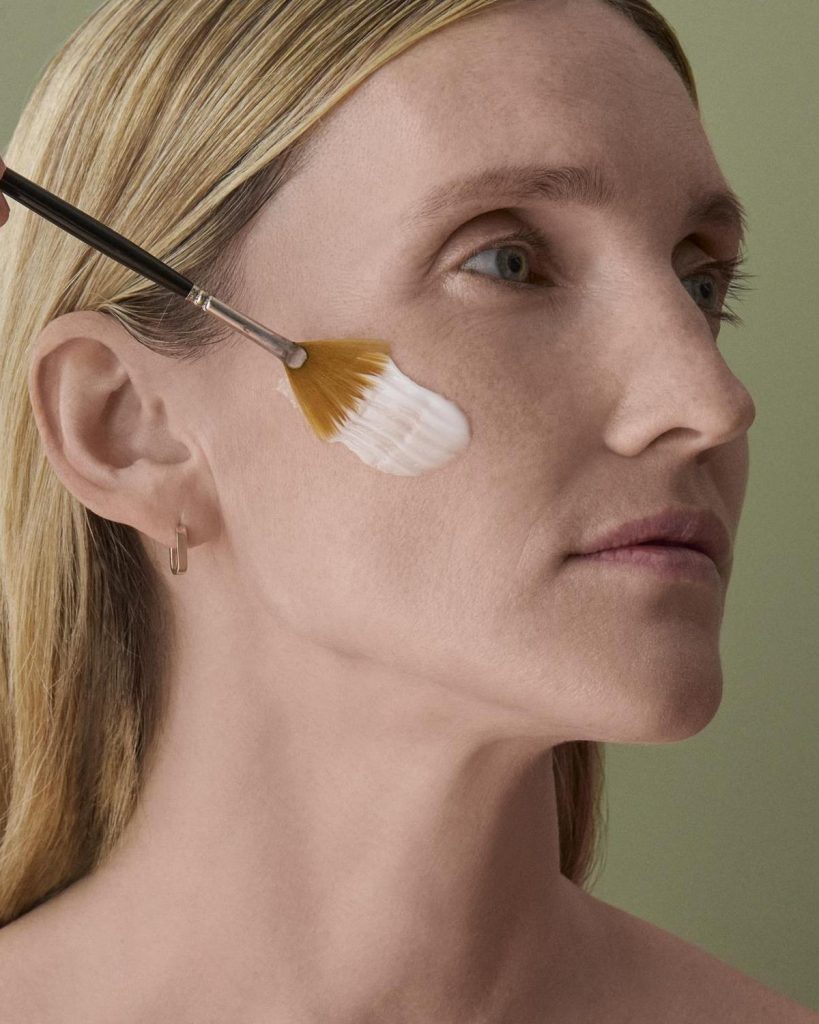
Our treatments and rituals, designed by our beauty therapists, combine the power of our products with the most innovative techniques.
